We’re Wild Interactive, a Wellington studio that designs and builds its own software. A few humans, one AI agent, and a lot of care for the things we make.
Specimen 07 / 06 — filed in error, kept on meritStatus: thriving
Wild Interactive
/waɪld ˌɪntəˈræktɪv/ · noun · design-led engineering studio
Habitat
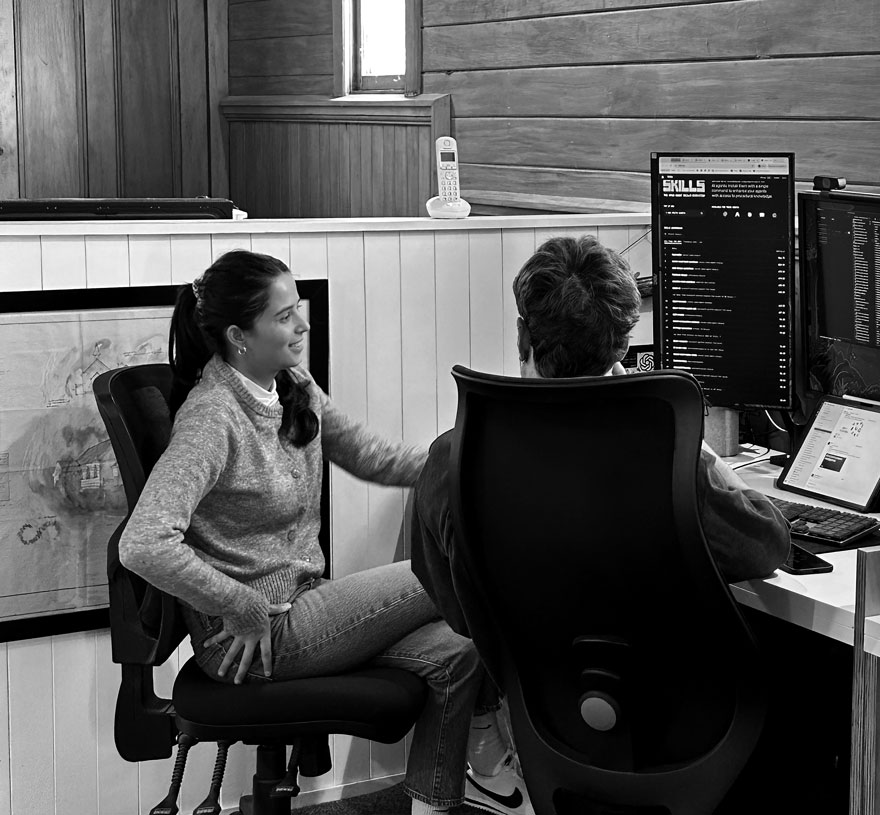
Whitby, Porirua — a wood-panelled studio above the harbour
Population
4 humans · 1 AI operations agent · stable
Diet
AI systems, web platforms, mobile products, flat whites
Range
Aotearoa-wide · partners as far as the work takes us
Natural predators
Scope creep
Observed behaviours
Ships production AIMorphs endangered species in real timeRed-teams its own chatbotsGives spiders eye-trackingFact-checks its mascots
How it started
The honest origin story: we put a WebGL forest where a website should have been, and left it there for over a year.
It said “coming soon”. People sent it to each other anyway — most of them never realising it was a placeholder. A holding page that people actually wanted to show their friends said more about us than any about-page copy could. At some point we stopped calling it an accident and made it the whole front door.
Nothing on this site is a mockup. The morphs, the shaders, the sound design — it’s all a real production build, running the way client work runs. Conservation-awareness project and working portfolio, at the same time.
Day to day we ship less feral things — AI inside a New Zealand health network, multi-year platform work, mobile apps in both app stores. That’s the services page. This page is the part of us that decided a spider deserved eye-tracking.
The studio — Pōneke Wellington
/01Six species drawn by hand, rebuilt as living vectors
/02Every animal morphs into the next — no cuts, no swaps
/03A WebGL forest: smoke, fireflies, a torch that follows you
/04Neon x-ray records with a live habitat map
/05~50 sound cues voiced from a 554-clip library
/06Conservation data fact-checked against the NZTCS, and dated
The illustrations
Gwil drew every creature here by hand. Then we did something slightly unreasonable to his artwork.
Gwilym Devey is a muralist whose creatures live on walls all over Aotearoa, including Te Papa’s Hīnātore learning lab. He put our six species on paper. We rebuilt each plate as hundreds of individual vector paths — so a tuatara can melt into a takahē, grow its spine back when you return, and watch your cursor move around the room. Gwil was very patient about all of this. More of his work at @gwilart.
The team
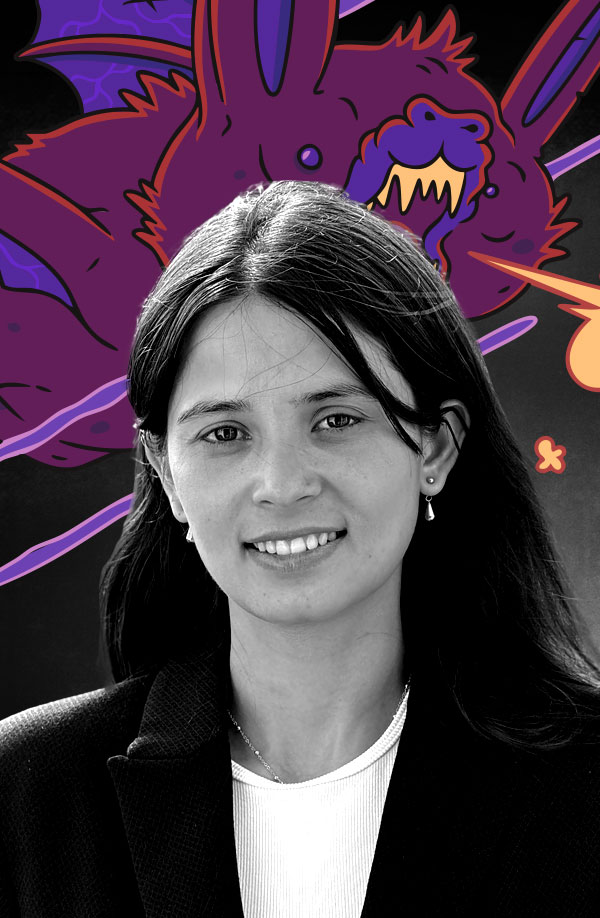
Field record — 01
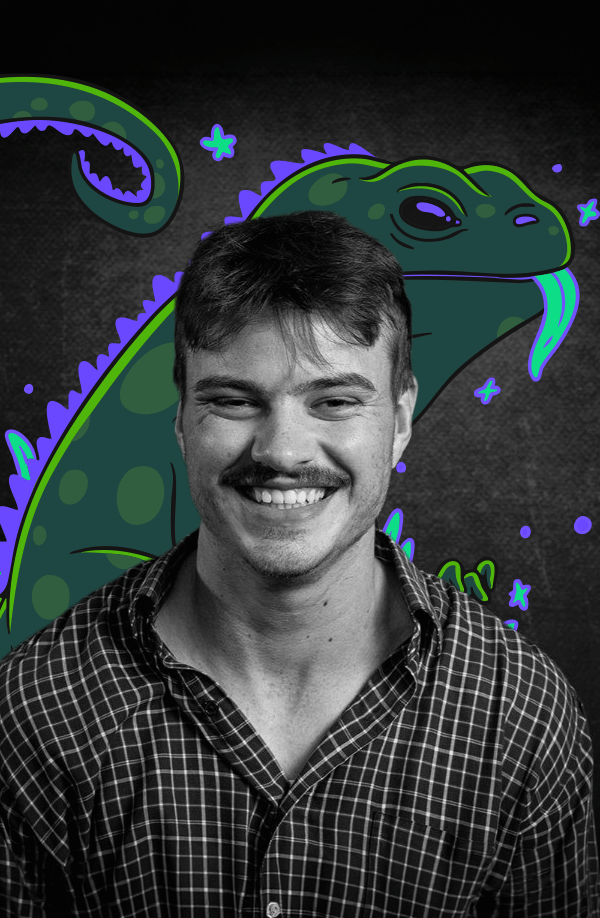
Elliot Sturzaker
Co-Founder & Tech Lead
Field noteWorks across the morph engine, the AI systems, and the platforms underneath. Writes the code and the invoices, and considers 11pm a reasonable time to refactor.
Field record — 02
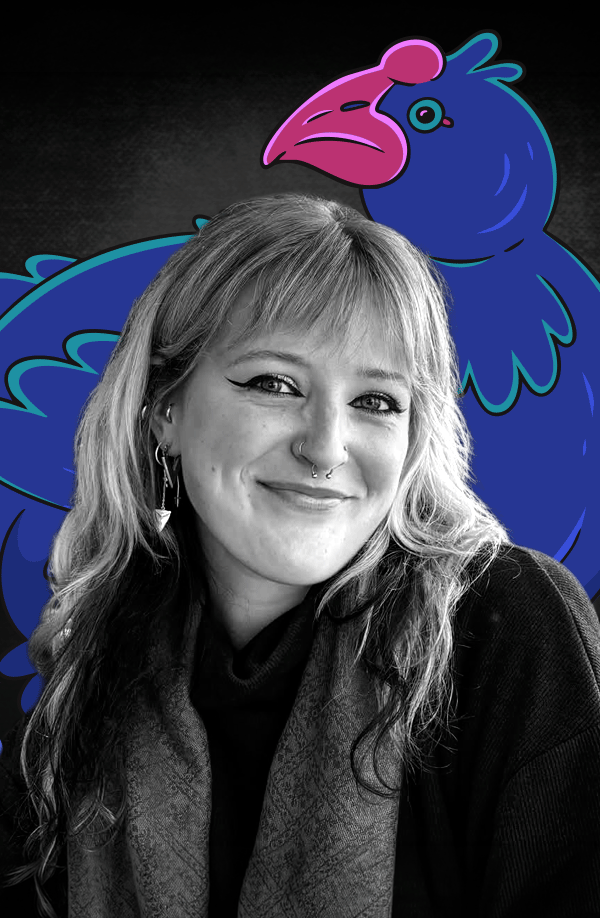
Brooke Tunley
Co-Founder & Design Lead
Field noteLeads the studio's brand and strategy — the identities, the case-study design language, the call on how things look and feel. The record shows she is usually right, which is statistically annoying.
Field record — 03
Brandon
Developer
Field noteBuilt the cross-animal morphing on the homepage. The gooey melts are his fault, and he is proud of them. Ships across our platform work.
Field record — 04
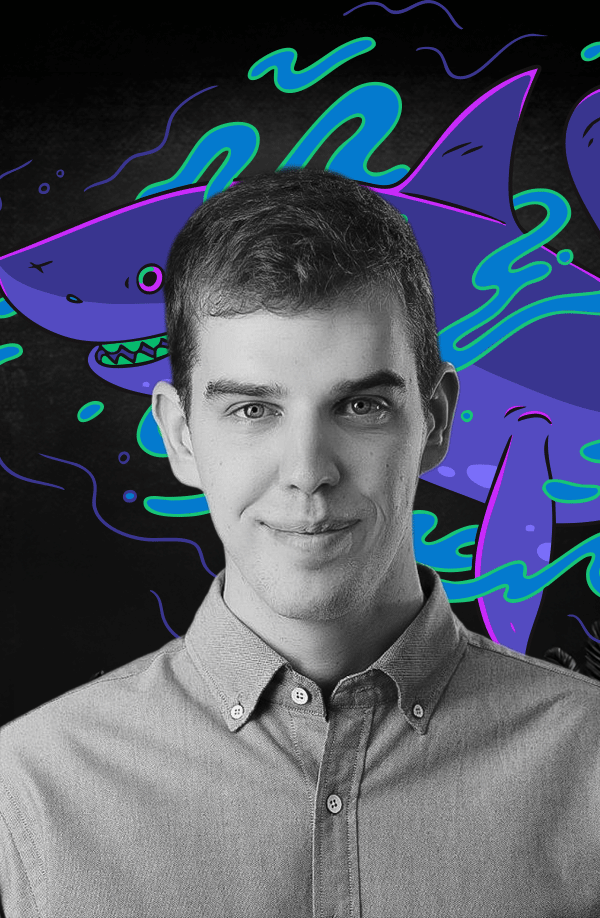
Smriti
AI Engineer
Field noteBuilds the AI layer across our client work and writes some of our Field Notes. Teaches the machines their manners — they listen to her more than we do.
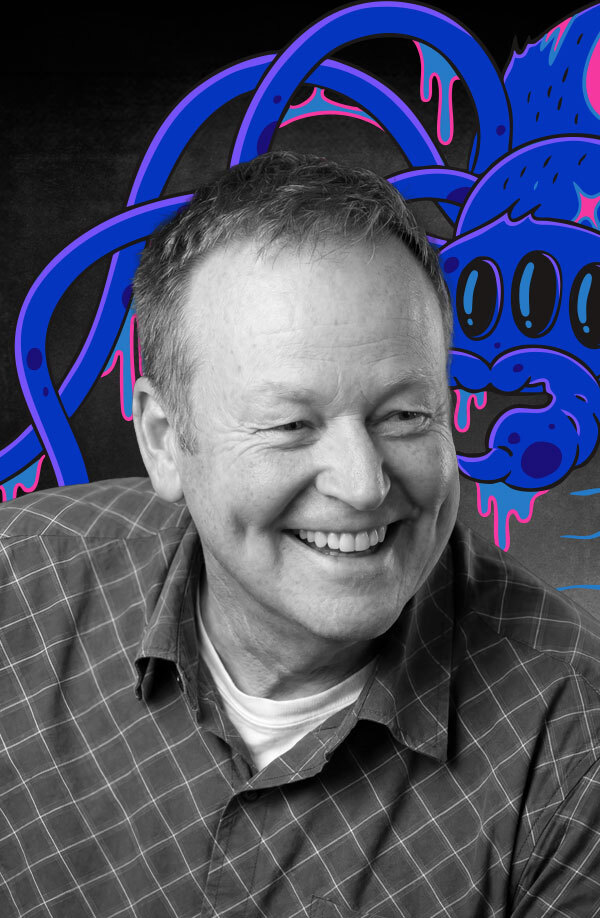
Field record — 05
Stephen
Collaborator
Field noteAppears when the workload spikes. Reliably.
Field record — 06
G
Gwil
Illustrator
Honorary shout-out
Field record — 07
M
Morris
AI Operations Agent
Field noteRuns the ops nobody sees. Never sleeps — technically can't.
Cross-reference — the animals’ own file
Wild for a Cause
The six endangered species that run this website have their own page now — the real conservation stories, the numbers we fact-check, and the people you can support today.